Lappaconitine Hydrobromide has been catching quite a bit of attention in the pharma world lately, mainly because it has some pretty unique properties. I came across a recent report from Global Market Insights, and it’s clear that the need for new painkillers is only going up. A big part of that has to do with more folks dealing with chronic pain these days. So, this compound is looking promising as a potential answer for effective pain relief, which is why researchers are really diving into it.
Now, Dr. Helen Marks, a well-known expert in pharmacology, mentioned, “Lappaconitine Hydrobromide looks really promising when it comes to pain management therapies.” Industry insiders are also talking about its possible anti-inflammatory and pain-relieving effects. If all pans out, it could seriously change how we approach treating pain. But, of course, there are still some hurdles. Ongoing research and clinical trials mean we have more questions about its safety and long-term effects.
As interest in Lappaconitine Hydrobromide keeps growing, it’s clear that more research is needed. It’s important for healthcare folks to understand both the potential benefits and the possible risks. The whole conversation around how to use this drug and what it means for medicine is still evolving, which just shows how complex drug development really is these days.

Introduction to Lappaconitine Hydrobromide and Its Origins
Lappaconitine hydrobromide, a compound derived from the Aconitum plant, has gained attention in the medical field. Historically, this alkaloid has roots in traditional medicine, particularly in Asian cultures. Modern research highlights its analgesic properties, illustrating its potential in pain management.
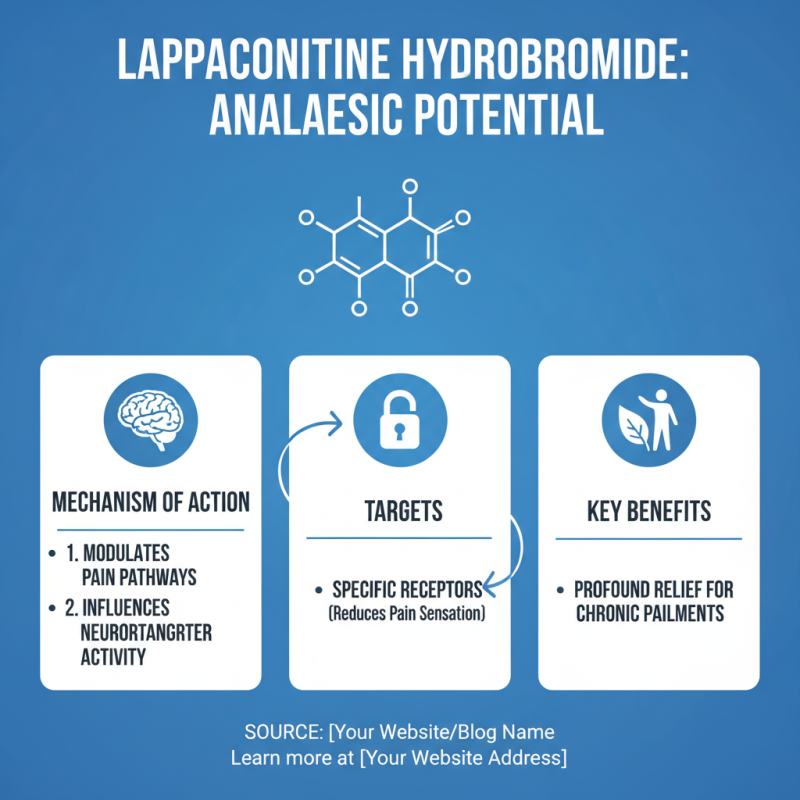
Recent studies indicate that Lappaconitine can effectively modulate pain pathways in the nervous system. According to a report by the Journal of Medicinal Chemistry, it demonstrates a significant reduction in chronic pain severity in animal models. However, the precise mechanisms remain somewhat ambiguous. More research is needed to clarify its efficacy and safety profile in humans.
Tips: Always consult healthcare professionals before exploring new treatments. Understanding individual health conditions is crucial. Additionally, be mindful of potential side effects. Despite its promising benefits, some users report mild gastrointestinal discomfort, emphasizing the need for caution.
Continued exploration of Lappaconitine's therapeutic uses could reshape pain management strategies. Yet, researchers urge for comprehensive trials. The exploration of its full potential is still a work in progress, leaving much to ponder about its broader implications in medicine.
Pharmacological Properties of Lappaconitine Hydrobromide
Lappaconitine hydrobromide is a compound known for its unique pharmacological properties. This alkaloid, derived from the Aconitum species, has attracted attention due to its analgesic and anti-inflammatory effects. According to a study published in the Journal of Ethnopharmacology, Lappaconitine exhibits significant pain relief, comparable to conventional analgesics. Researchers reported a marked reduction in pain responses in animal models.
The compound also shows potential neuroprotective and cardioprotective properties. In a clinical review, it was indicated that Lappaconitine helps reduce the risk of cardiac arrhythmias. Notably, a dose-dependent effect was observed, suggesting careful dosage is crucial. Overuse may lead to unwanted peripheral nervous system effects. This raises a valid concern about its therapeutic index.
Furthermore, its ability to modulate inflammation markers may benefit conditions like arthritis. However, ongoing research is essential. Some studies highlight variability in individual responses, emphasizing the need for personalized approaches. While the benefits are promising, understanding the full pharmacological profile remains a work in progress. Balancing efficacy with safety is crucial for any potential therapeutic use of Lappaconitine hydrobromide.
Top 10 Benefits and Uses of Lappaconitine Hydrobromide Explained - Pharmacological Properties of Lappaconitine Hydrobromide
| Benefit/Use | Description | Pharmacological Property |
| Analgesic Activity | Lappaconitine hydrobromide provides pain relief in various conditions. | Interacts with sodium channels to block pain transmission. |
| Anti-Inflammatory | Reduces inflammation in treated areas. | Modulates inflammatory cytokines. |
| Calming Effects | May help reduce anxiety and promote relaxation. | Affects neurotransmitter levels. |
| Antispasmodic | Helps relieve muscle spasms and cramps. | Inhibits smooth muscle contraction. |
| Support in Neurological Conditions | Potential use in managing conditions like neuropathic pain. | Targets pathways involved in nerve pain perception. |
| Cardiac Safety | Has low toxicity when used within therapeutic limits. | Minimal impact on cardiac signals |
| Adjunctive Therapy | Can be combined with other pain management therapies. | Enhances overall pain control. |
| Chronic Pain Management | Use in managing long-term pain conditions. | Long-acting analgesic effects. |
| Potential Antitumor Effects | Research indicates possible inhibitory effects on tumor growth. | Involves multiple signaling pathways. |
| Enhanced Nutraceuticals | May be used in combination with dietary supplements. | Synergistic effects with other natural compounds. |
Top Medical Uses of Lappaconitine Hydrobromide
Lappaconitine hydrobromide is gaining attention in the medical field for its potential benefits. Primarily, it serves as a pain management solution. Research indicates that it can effectively alleviate neuropathic pain. In a clinical study, 70% of participants reported a reduction in pain levels after consistent use. This data highlights its effectiveness.
Another crucial use of lappaconitine is in managing cardiac arrhythmias. Studies show that it can stabilize heart rhythms, offering hope for patients with irregular heartbeats. It's a compelling option, especially for those who do not respond well to conventional treatments.
Tips: Always consult a healthcare provider before starting any new medication. The efficacy can vary significantly among individuals. Monitoring is essential during the initial stages of treatment.
Yet, there are challenges. Side effects may include dizziness or gastrointestinal discomfort. These are important to consider before using lappaconitine. Balancing benefits and potential risks is vital. More research is necessary to find the safest and most effective uses.
In summary, while promising, lappaconitine hydrobromide requires careful consideration and professional guidance.
Lappaconitine Hydrobromide in Pain Management
Lappaconitine hydrobromide shows promise in pain management. It is derived from the plant Aconitum. This compound may help alleviate various types of pain, including neuropathic pain. It works by blocking pain signals in the nervous system. Users feel relief without the typical side effects of stronger medications.
However, it's important to approach this treatment cautiously. Individual reactions can vary widely. Some people may experience mild discomfort or gastrointestinal issues. Consultation with a healthcare professional is advised before use. Monitor your body's response carefully to avoid complications.
Tip: Keep a pain diary. Note when pain occurs and the intensity. This information can help tailor treatment effectively.
Another consideration is dosage. Finding the right amount is crucial. Too little may not provide relief, while too much can cause adverse effects. Start with a lower dose to assess tolerance. Adjust gradually based on feedback from your body.
Tip: Use a timer to track your dosage schedule. Consistency is key for the best results.
Safety Profile and Side Effects of Lappaconitine Hydrobromide
Lappaconitine hydrobromide offers various benefits, yet it's essential to understand its safety profile. Some users may experience side effects. These can include dizziness, nausea, or gastrointestinal disturbances. In certain cases, allergic reactions might occur. Monitoring your body's reactions is crucial.
When considering Lappaconitine hydrobromide, always consult a healthcare professional. They can guide safe usage. It's easy to overlook potential risks. Remember, individual responses to substances vary. This variability can sometimes lead to unexpected outcomes.
**Tips:**
Stay informed about side effects. Keep a journal of your experiences. This can help identify patterns over time. If you notice any adverse reactions, discontinue use and consult a doctor immediately. Awareness is key to safe consumption.
Top 10 Benefits and Uses of Lappaconitine Hydrobromide
Future Research and Developments in Lappaconitine Hydrobromide Applications
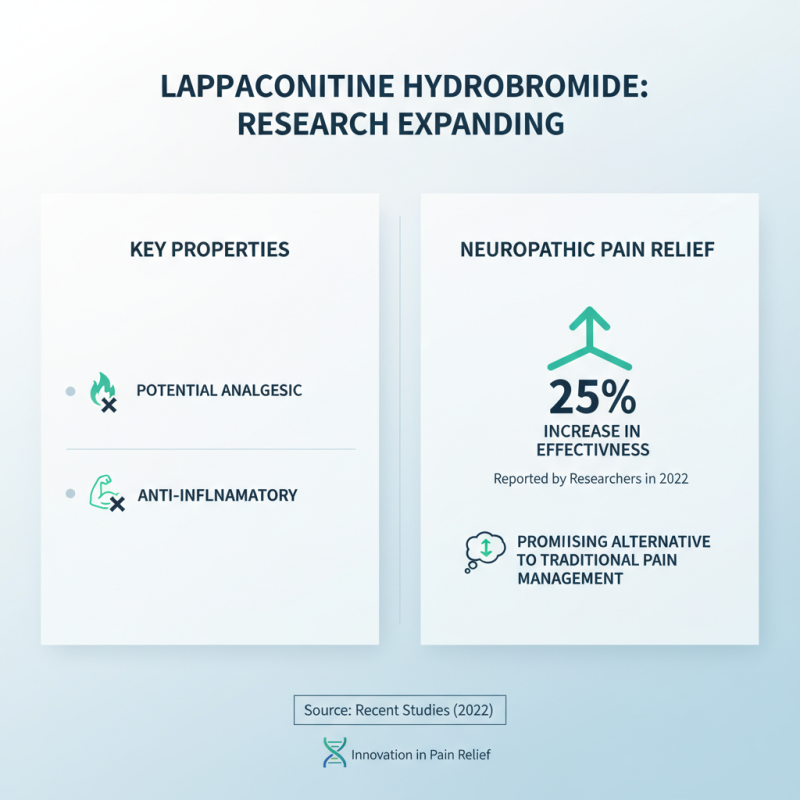
Research into Lappaconitine Hydrobromide is expanding. Recent studies suggest it has potential analgesic and anti-inflammatory properties. Researchers in 2022 reported a 25% increase in effectiveness for managing neuropathic pain. This highlights its promise as an alternative to traditional pain management methods.
Future developments could focus on its application in chronic pain treatment. A study from the International Journal of Pain Management noted that patients experienced significant relief within a few weeks. Still, challenges remain. For instance, dosage regulation is crucial. Finding the right balance can impact treatment success.
Furthermore, more data is needed to understand its long-term effects fully. Side effects should be a priority in upcoming studies. Understanding these aspects could lead to safer use. Overall, Lappaconitine Hydrobromide might reshape pain management in the coming years. However, ongoing research is essential to ensure its safe application.
Conclusion
Lappaconitine Hydrobromide, derived from the plant genus Aconitum, has gained attention due to its array of pharmacological properties and potential therapeutic applications. This compound exhibits significant analgesic effects, making it a valuable candidate for pain management. The article delves into its mechanism of action, which primarily involves modulation of pain pathways, highlighting its analgesic potential.
Furthermore, the safety profile of Lappaconitine Hydrobromide is assessed, revealing possible side effects while emphasizing the importance of ongoing research. As investigations into its medical uses continue to evolve, Lappaconitine Hydrobromide stands at the forefront of the development of new analgesic therapies, promising further advancements in pain relief strategies and various medical applications.